New Year's Eve Nochevieja in Spain: Traditions and Rituals
On December 31st, as the clock ticks towards midnight, Spain transforms into a land full of life, music, and colorful traditions. Nochevieja, or Spanish New Year's Eve, is not only a farewell to the old year but, above all, a celebration of life in a style typical of the local culture.
Twelve grapes in the rhythm of the clock
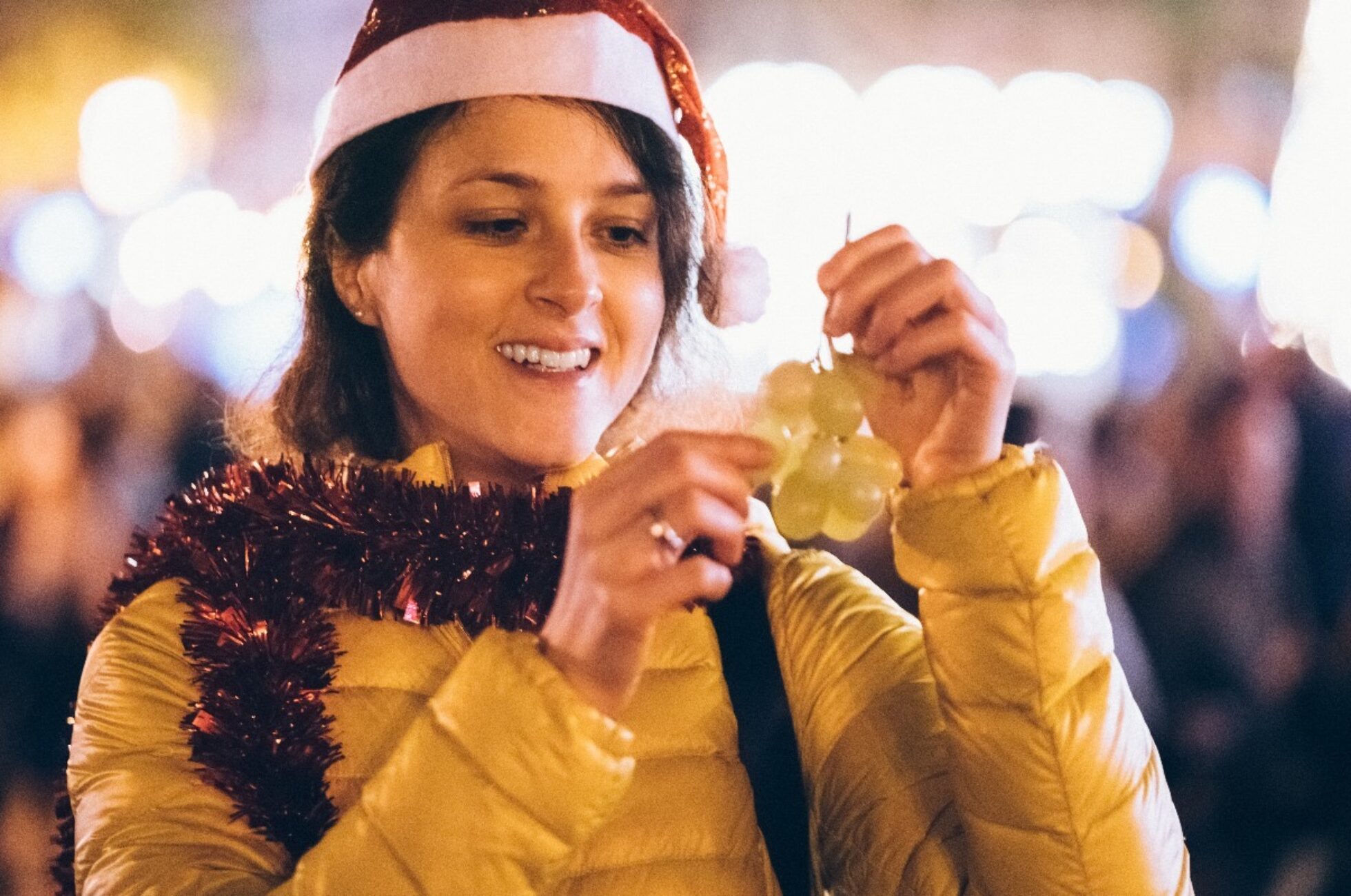
One of the most iconic elements of this night is the tradition of "Las Doce Uvas de la Suerte." As the clock on Madrid's Puerta del Sol strikes midnight, Spaniards eat twelve grapes—each one symbolizing hope and happiness for the coming months.
The tradition of eating twelve grapes on New Year's Eve has deep roots in Spanish culture and is practiced in almost all regions of the country. Additionally, standing on your left leg while eating the last grape and entering the New Year on your right foot is a symbol of optimism and a good start.
Cava instead of champagne
While many countries toast with champagne, in Spain, cava reigns supreme! This sparkling Spanish wine, often served with fruit, is the perfect accompaniment to New Year's Eve festivities.
Red underwear – a symbol of love
It's worth noting the detail of red underwear worn on New Year's Eve. According to tradition, it brings luck in love. Often, it's a gift from loved ones, adding an extra, personal touch.
Happiness in a glass
In Spain, there's an interesting custom meant to attract prosperity in the New Year. It involves placing a gold ring or earring in a champagne glass just before the midnight toast. It's believed that this gesture will bring financial prosperity. If you want to ensure your partner's fidelity, you should also add a wedding ring to the glass.
Another variation of this custom involves tossing red fruits, such as strawberries, cherries, pomegranate seeds, or raspberries, into the glass. These fruits are believed to symbolize love and bring romantic ecstasies in the coming year.
Green symbols of wealth
Holding a green banknote in your hand while the clock strikes and storing it in a green bag is a ritual meant to bring wealth. In Spanish culture, green is often associated with hope and renewal. Similarly, a clove of garlic placed in your wallet is said to guarantee a steady flow of money.
Maritime tradition
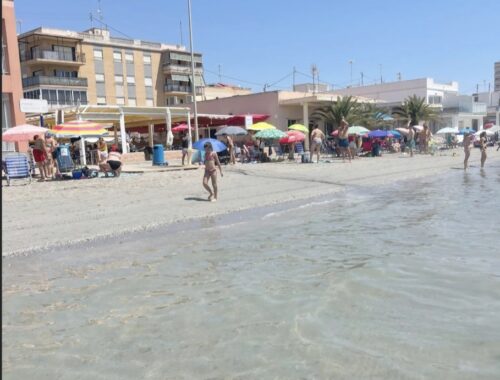
In some coastal regions, such as Valencia, residents welcome the New Year by jumping into the sea. This is a symbolic cleansing and a welcome to the new opportunities the coming year brings.
Summary
New Year's Eve in Spain is a unique blend of tradition, color, music, and joy. It's a time when Spain shows its most vibrant and joyful side, combining ancient customs with modern celebrations.